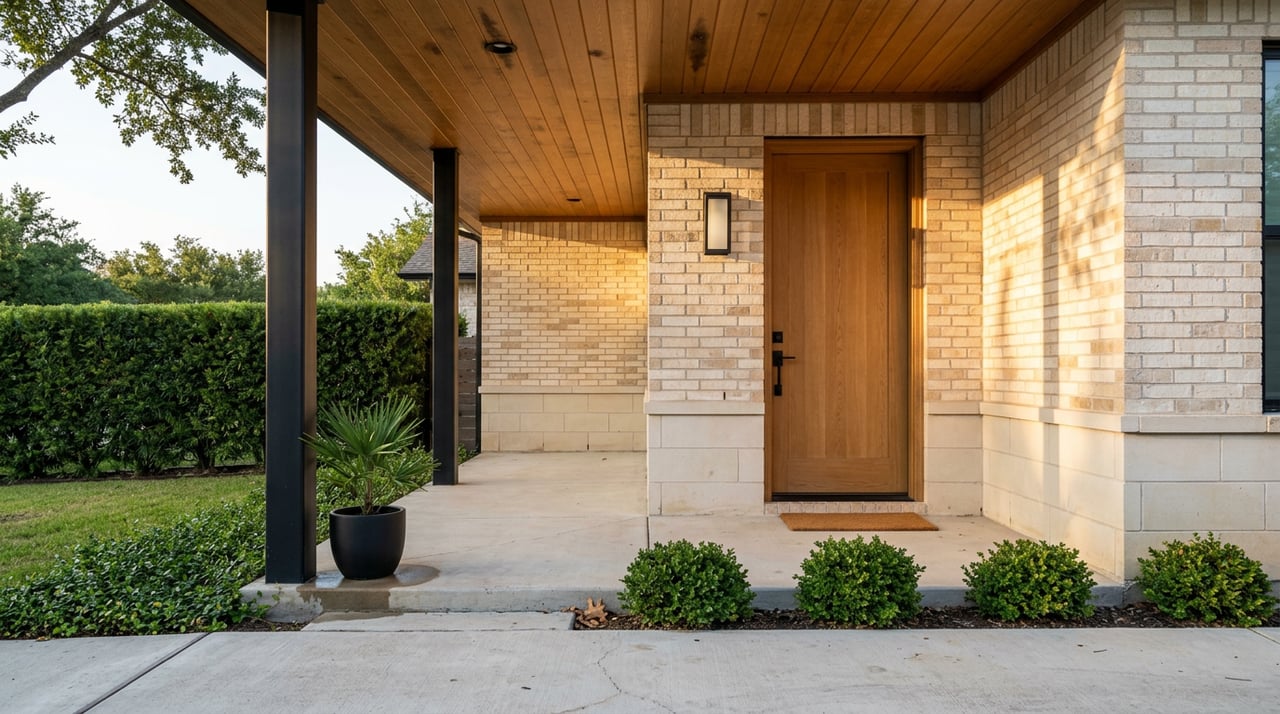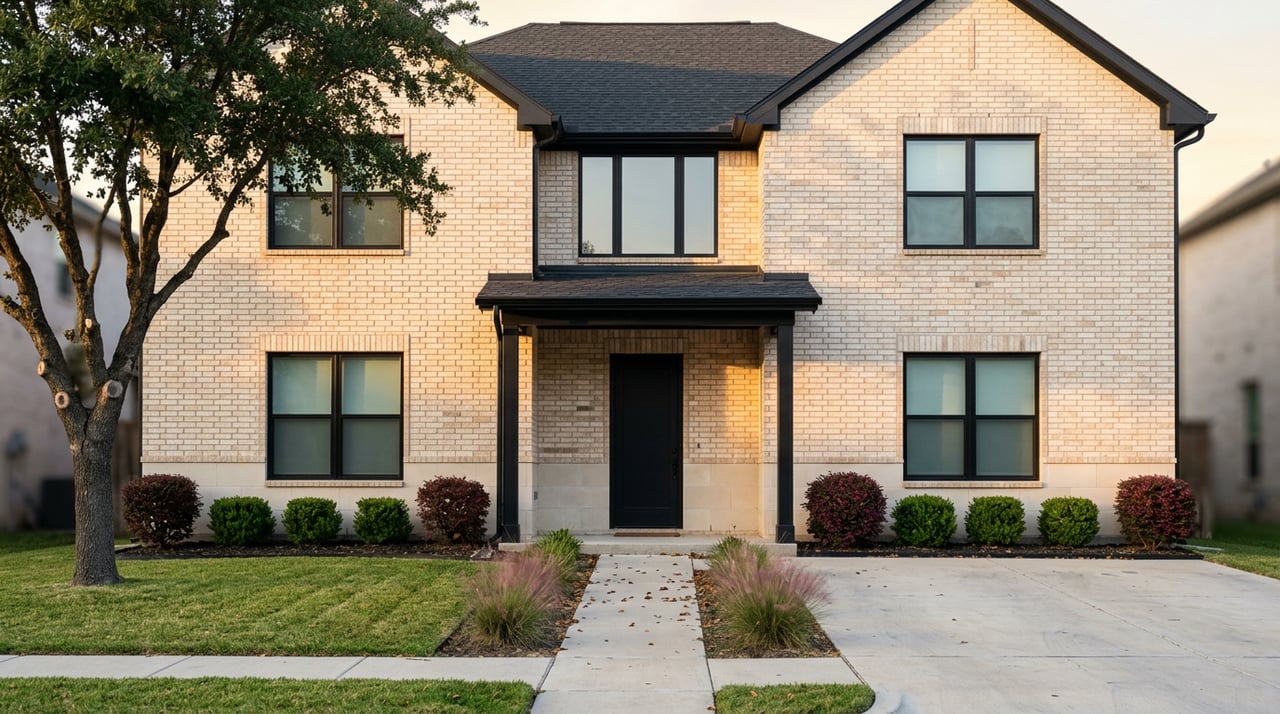
Picture two listings in Missouri City priced within a few thousand dollars of each other. One sits in Quail Valley, the other in Sienna. Similar square footage, similar age of updates, similar asking price. A buyer comparing them side by side would call it a toss-up. Then the first tax bill arrives, and one household is paying noticeably more than the other, every single year, for reasons that have nothing to do with the size of the kitchen or the depth of the backyard.
That gap isn't a fluke of one listing pair. It's how property taxes actually work in Missouri City, and it's the part of the math a single median home price never shows you.
The City Rate Is Only the Top Layer
Missouri City's own tax office is upfront about this: the city's published tax rate does not include the municipal utility district or public improvement district charges layered on top, because those vary by exactly where the property sits. So the headline "city rate" you find in a quick search is just one line on a much longer bill.
Underneath it sits a patchwork of municipal utility districts, public improvement districts, and levee improvement districts, each carrying its own construction debt and its own rate. Fort Bend County is home to more than 400 separate taxing jurisdictions, many of them MUDs layered over master-planned communities like Sienna, Riverstone, Telfair, and New Territory. Those district rates alone commonly run from half a percent to well over one and a half percent, stacked on top of the county, school, and city levies every homeowner already pays.
That stacking is why "Missouri City property taxes" isn't a single number. It's a range, and where you land in that range depends on which district's bonds are still on the books for your specific address.
What the Spread Looks Like, Community to Community
A 2023 breakdown of tax rates across several of Missouri City's named communities put the difference in plain terms:
| Community | Approximate 2023 Total Tax Rate |
|---|---|
| Quail Valley | 2.34% |
| Jade Island at Lake Olympia | 2.79% |
| Sienna (Sienna Plantation) | 3.20% |
| Parks Edge | 3.24% |
That's a spread of nearly a full percentage point between the low end and the high end, inside the same city, often inside the same school district boundary. Quail Valley's lower number tracks with its age. It was platted in the 1970s as a golf and country club community, most of its infrastructure debt is long retired, and it functions today as an established neighborhood of mature trees and updated homes rather than a district still paying down new construction. Sienna and Parks Edge sit at the other end because their MUDs are still funding parks, pools, roads, and the amenity packages that make those communities attractive to buyers in the first place. You are, in effect, paying down the cost of the lifestyle amenities through your tax bill for as long as that district debt remains outstanding.
Those 2023 figures are useful for understanding the shape of the spread. They are not this year's numbers, and that matters more than it sounds like it should.
Split by Zip Code, Not Just by Subdivision
The spread shows up at the zip code level too. A recent analysis of Fort Bend County tax records found that homeowners in the 77459 zip code carry a median effective property tax rate of 1.78%, while those in 77489 pay 1.43%, a difference of 0.35 percentage points across the same city. On a $400,000 home, that gap alone is worth well over a thousand dollars a year. The same analysis put Missouri City's overall median effective rate at 1.74%, above both the Texas state median and the national median, which is the number most buyers see and stop reading at. The zip code split is the number that actually determines what lands in your escrow account.
The Rate You Read Last Year May Already Be Gone
Here's the part that catches people off guard even after they've done the homework. These district rates are not fixed. They move as bonds are issued or paid off, and in some cases, a MUD stops existing as an independent line item altogether.
Fort Bend County's own tax office notes that Sienna MUD 2 was recently annexed by the City of Missouri City and no longer carries a current-year tax bill of its own. If you found an old blog post, a two-year-old listing sheet, or a cached search result quoting that district's rate, you'd be working from a number that has already changed. The county also confirmed that as of September 1, 2025, it took over collection of Fort Bend Levee Improvement District 17, another administrative shift that changes who bills you and how, even if it doesn't change what you owe.
Neither of these changes was announced with the same fanfare as a new pool opening or a ribbon cutting at a community clubhouse. They happened in the back office, on a tax roll, and they only become visible to a buyer who checks the current status of a specific address instead of trusting a number they saw somewhere else.
The list price is the same number wherever you find the listing. The tax bill stacked behind it depends on a district boundary you cannot see from the street, and that boundary can shift after the paint on the sign has already faded.
Why This Matters More in Today's Market
As of March 2026, homes in Missouri City were taking longer to sell than they were a year earlier, moving in roughly 94 days on average compared to about 63 days the prior year, with sale prices settling close to 97% of list price. That's a slower, more balanced market than the one buyers were competing in during the height of recent years, and it changes the calculus in a specific way. You have more room to ask questions before you write an offer, and more time to get a real answer before you're under contract with a deadline attached.
That window is exactly when a tax detail like this is worth ten minutes of homework, because it's far easier to build into your offer than to discover after your first mortgage statement includes an escrow shortage notice.
Get Your Actual Number Before You Write an Offer
- Pull the property's FBCAD account number from the listing sheet or MLS data. It starts with an "R" followed by several digits.
- Look up that account on the Fort Bend County Tax Rate Portal. It lists every overlapping taxing entity billed to that specific address, not just the city and county totals most searches surface.
- Ask for a current tax certificate from the listing agent or title company. It shows the full stack of taxing entities on record right now, including whether a MUD has recently been annexed, dissolved, or had its bonds retired.
- If the home sits inside a master-planned community, ask when the MUD's bonds are scheduled to be paid off. Retired debt generally means a falling rate over the next several years, which matters if you plan to stay long term.
- Compare the all-in effective rate, not just the city or county line, before you finalize your monthly payment math or compare two listings against each other.
Common Questions About Missouri City Property Taxes
Does Missouri City have one property tax rate for the whole city? No. The rate published by the city covers only the city's own levy. Municipal utility district and public improvement district charges are added separately depending on where the home is located, and those vary block by block.
Can a district's tax rate change after I've already bought the home? Yes. Rates adjust as districts issue new bonds or pay off existing debt, and in some cases a MUD is annexed by the city entirely, at which point it stops billing separately. Sienna MUD 2 is a recent example of that happening in Missouri City.
Which county actually collects my taxes if I'm in the small Harris County portion of the city? It depends on your exact location. Most of Missouri City falls in Fort Bend County, but a smaller portion sits in Harris County, and either county's tax office may send your statement and handle exemption filings depending on which side of the line your address falls on.
If you're comparing homes across Sienna, Quail Valley, Riverstone, or any of Missouri City's other communities and want the real tax picture for a specific address before you write an offer, that's exactly the kind of homework we do for every client at Mike Ogunkeye Real Estate. Reach out for a free home valuation and a straight answer on what a home's total tax stack actually looks like, not just what the listing sheet says.