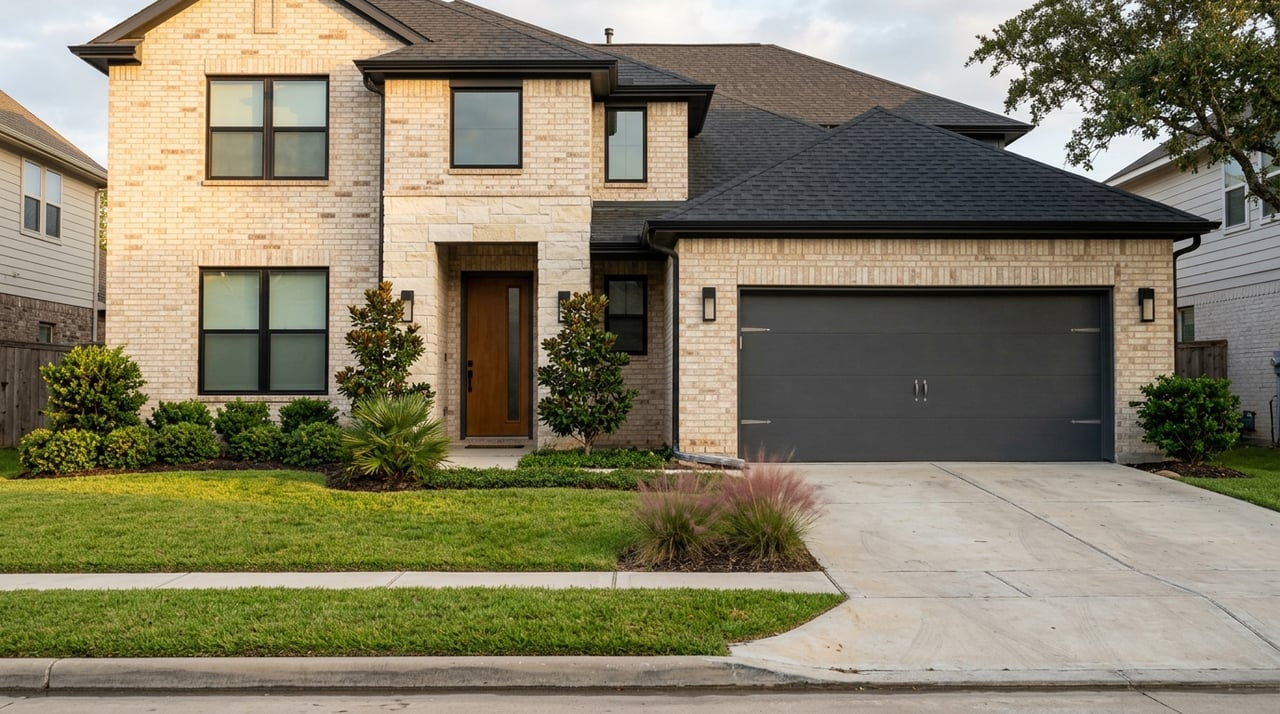
Buying a home in the Houston area is exciting, but the monthly cost can be more complex than the sales price alone. If you are comparing homes in Houston, Harris County, Sugar Land, Katy, Richmond, or Missouri City, you may quickly notice that property taxes and HOA fees can vary a lot from one address to the next. Understanding those costs upfront helps you budget with confidence and avoid surprises after closing. Let’s dive in.
Why Houston-area costs vary so much
In Texas, there is no state property tax. Property taxes are set by local taxing units, and that means your bill depends heavily on where the home is located, not just what it is worth.
In the Houston area, one property may fall under several taxing jurisdictions at the same time. These can include the county, city, school district, and special districts like a municipal utility district or water district. That is one big reason two similar homes can come with very different annual tax bills.
HOA fees add another layer to your monthly housing cost. These fees are separate from property taxes, and they are set by the community association based on its governing documents and budget.
How Houston property taxes work
Property taxes in Harris County and the Houston area are based on more than the home’s purchase price. Tax bills commonly show appraised value, assessed value, and taxable value, and those numbers are not always the same.
In simple terms, the appraised value is the value assigned for tax purposes. Then any qualifying exemptions are applied to reduce the taxable value. That taxable value is what local taxing units use to calculate the bill.
This matters when you are house hunting. A lower list price does not always mean a lower tax bill, and a higher price does not always mean a dramatically higher one if exemptions or district differences come into play.
Local taxing units matter
When you buy in the Houston area, you are not paying one single property tax rate. You may be paying taxes to multiple local entities, depending on the exact address.
These may include:
- Harris County
- A city, if the home is within city limits
- A school district
- Special districts, such as MUDs or water districts
Because of that overlap, it is smart to review taxes by exact property address. Neighborhood averages can be helpful for broad research, but they are not enough for final budgeting.
Appraised value vs taxable value
One of the most common points of confusion for buyers is the difference between value labels on a tax record. The tax bill is not based only on what you offered for the home or what your lender approved.
Instead, local authorities use the appraised value and then apply exemptions to determine taxable value. If you are estimating future payments, make sure you understand which number you are looking at.
Homestead exemptions can make a big difference
If the home will be your primary residence, a homestead exemption may reduce your property tax burden. Texas currently requires school districts to provide a $140,000 homestead exemption, and Harris County currently offers a 20% optional homestead exemption.
That can have a meaningful impact on your annual costs. It is one of the reasons owner-occupied buyers should confirm what exemptions may apply after closing.
What buyers should confirm after closing
A seller’s current tax bill may reflect exemptions that will not automatically transfer to you. Before you rely on the seller’s numbers, make sure you know whether the current owner already has a homestead exemption on file and whether you will need to file your own after closing.
This is especially important for first-time homestead buyers. Your first year in the home may not look exactly like the prior owner’s tax bill.
How the appraisal cap works
Qualified homesteads in Harris County also receive 10% appraisal-cap protection. This limits how much the taxable appraised value can rise each year, subject to new improvements.
For buyers, the key point is timing. The cap generally applies after the property qualifies as your homestead, so when you first buy the home, it is commonly appraised at market value for that year.
Key property tax deadlines in Harris County
Property tax timing matters just as much as tax amount. In most cases, property tax bills are mailed by October 1 and are generally due by January 31.
If taxes are not paid by the delinquency date, penalty and interest can begin to accrue. That is why it is important to know whether your lender is escrowing taxes or whether you will be paying them directly.
If you believe your appraised value is incorrect, Harris County property owners generally have until May 15 or 30 days after the notice of appraised value is mailed, whichever is later, to file a protest. That window can be important if you want to challenge your valuation.
HOA fees are not property taxes
In Texas, HOA costs are typically treated as property owners’ association assessments. These are not taxes. They are charges set by the association and governed by the community’s rules and Texas law.
That distinction matters because HOA dues and property taxes serve different purposes. Property taxes fund local public services, while HOA fees usually help pay for shared community expenses and maintenance.
Regular dues vs special assessments
Not all HOA charges look the same. Some are regular assessments that recur on a set schedule, while others are special assessments that are charged one time for a specific purpose.
Regular dues may support ongoing operations and maintenance. Special assessments may come up when the association needs to cover a larger project or expense that is outside the normal budget.
How HOA fees are usually paid
Unlike property taxes, HOA dues are usually paid directly to the association. They are not typically folded into your monthly mortgage payment, although some lenders may allow escrowing in limited situations.
For budgeting purposes, treat HOA dues as a real and ongoing housing cost. They are not optional, and they should be part of your monthly plan from day one.
What to review before buying in an HOA community
If you are buying a home in a Houston-area community with an HOA, do not stop at the monthly dues amount. The bigger picture matters just as much.
Before closing, buyers should review the seller’s HOA disclosures, the notice of obligations related to HOA membership, the resale certificate, and the governing documents. These records can help you understand fee structures, unpaid debts, and other obligations tied to the property.
You should also look closely at the association’s budget, reserve information, and meeting records when available. These documents may offer useful clues about whether dues are stable or whether future assessments could become an issue.
What to include in your true monthly budget
When you are planning for a home purchase in Houston or Harris County, the goal is to build a complete monthly budget, not just a mortgage estimate. The most useful budget includes every major housing cost tied to the address.
A realistic monthly budget may include:
- Principal and interest
- Property taxes
- Homeowners insurance
- Flood insurance, if needed
- HOA or POA dues
- Utilities
- Maintenance
- Possible special assessments
This is especially important in suburban Houston, where two homes in nearby communities can have very different combinations of taxes, insurance needs, and HOA charges.
Smart questions to ask for any Houston-area address
The best due diligence questions are specific to the home you are considering. General market knowledge helps, but address-level details are what protect your budget.
Ask questions like:
- Which taxing units apply to this property?
- Is the home in a special district, such as a MUD or water district?
- Has the current owner filed a homestead exemption?
- What are the current HOA dues?
- Are there any unpaid assessments tied to the property?
- What do the HOA budget, reserve information, resale certificate, and meeting records show?
These questions can help you compare homes more accurately. They can also help you avoid getting attached to a home that does not fit your long-term payment comfort zone.
Why address-specific research matters most
In a large and varied market like Houston, broad averages can only tell you so much. One subdivision may have a different school district, different special districts, and a different HOA structure than another just a few minutes away.
That is why experienced local guidance matters. When you review the exact address, you can make a cleaner apples-to-apples comparison and build a budget that reflects the real cost of ownership.
If you are buying or selling in Houston’s suburban southwest corridor, clear answers on taxes, dues, and neighborhood-specific costs can make your decision much easier. When you want practical, local guidance tailored to the property you are considering, connect with Mike Ogunkeye.
FAQs
How are property taxes calculated for a home in Houston or Harris County?
- Property taxes are based on the home’s appraised value, reduced by any qualifying exemptions to arrive at taxable value, and then applied across the local taxing units that serve that address.
Are HOA fees in Houston included in my mortgage payment?
- Usually no. HOA or POA dues are typically paid directly to the association, although some lenders may allow escrowing in limited cases.
What is the homestead exemption for a primary residence in Harris County?
- Texas currently requires school districts to provide a $140,000 homestead exemption, and Harris County currently offers a 20% optional homestead exemption for qualifying homesteads.
When are Houston-area property taxes due?
- In most cases, property tax bills are mailed by October 1 and generally due by January 31.
Can I protest my Harris County property tax appraisal?
- Yes. In Harris County, property owners generally have until May 15 or 30 days after the notice of appraised value is mailed, whichever is later, to file a protest.
What HOA documents should I review before buying a home in Houston?
- Buyers should review the seller’s HOA disclosures, the notice of obligations related to HOA membership, the resale certificate, and the community’s governing documents, along with budget and reserve information when available.