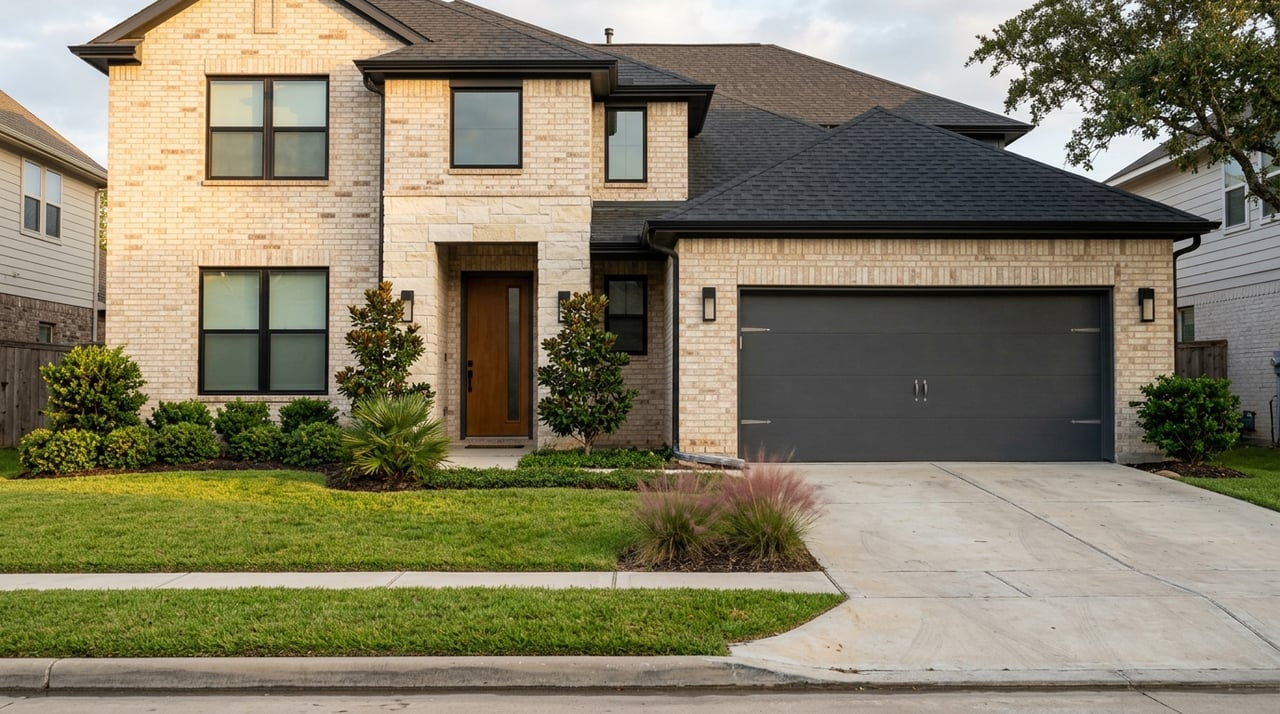
If you are thinking about buying a rental property in Rosenberg, the headline is simple: this is a growing suburb with real demand, but it rewards careful underwriting more than big speculation. You want a market where renters need space, commute access matters, and multiple property types can work. In this guide, you will learn how Rosenberg’s rental market looks today, which property styles deserve a closer look, and what local risks can affect your returns. Let’s dive in.
Why Rosenberg Gets Investor Attention
Rosenberg sits in Fort Bend County, about 25 miles west of Houston along I-69. The city’s estimated 2024 population is 42,571, which is up 11.3% since 2020. That kind of growth matters because it points to a market with expanding housing demand rather than a place standing still.
The local housing profile also suggests a stable suburban renter base. Median household income is $65,668, median gross rent is $1,379, and the owner-occupied housing rate is 54.4%. Add in a mean commute time of 30.2 minutes, and Rosenberg starts to look like a practical option for renters who want suburban space with access to Houston and nearby job centers.
What the Rental Numbers Mean
Rental data in Rosenberg depends on how the source measures rent, so it helps to separate listing averages from longer-term trend indexes. Zillow Rental Manager reports an average asking rent of $2,250 citywide, with asking rents around $1,234 for one-bedroom units, $1,525 for two-bedroom units, $1,950 for three-bedroom homes, and $2,846 for four-bedroom homes. Zillow’s trend index pages show lower figures, including $1,729 citywide and $1,592 for ZIP code 77471, because those numbers track rent trends differently.
That gap is a methodology issue, not necessarily a contradiction. For you as an investor, the takeaway is to avoid building your deal around a single headline rent number. Instead, compare active listings, unit type, neighborhood, and property condition before setting expectations.
Zillow currently describes Rosenberg’s rental market as cool, with asking rents down slightly year over year. That matters because it suggests you should underwrite conservatively. If a property only works when you assume fast rent growth, it may not be the right buy in this market.
Best Rental Property Types in Rosenberg
Rosenberg is not a one-size-fits-all market. City planning documents describe several housing character areas, including suburban planned communities, old-town residential neighborhoods, multi-family mid-density areas, downtown, midtown, riverfront areas, and Brazos Town Center. That variety creates more than one investment path.
Single-Family Homes in Planned Communities
For many investors, the clearest play is the updated single-family rental in a newer planned community. Rosenberg’s planned communities are mostly single-family, and the city’s parks inventory notes HOA amenities in places like Cottonwood, Summer Lakes, The Oaks of Rosenberg, and Villages of Town Center. When price and condition are similar, communities with stronger amenity packages may be easier to lease than older areas with fewer shared features.
This type of property may be especially attractive if you are targeting renters who need more bedrooms and value suburban layout, storage, and commute access. The local road network and Rosenberg’s position near I-69 support that use case. In practical terms, an updated three- or four-bedroom home may be one of the most defensible product types in the market.
Older In-Town Homes With Value-Add Potential
Old-town residential areas offer a different strategy. These neighborhoods include older single-family homes that may present renovation upside. If you buy well and improve condition thoughtfully, you may be able to raise rents and reduce vacancy risk without needing new-construction pricing.
That said, value-add only works if your rehab budget is realistic. In Rosenberg, property condition and neighborhood maintenance matter because city planning documents emphasize preserving older neighborhoods, addressing maintenance issues, and enforcing standards on vacant or neglected properties. A cosmetic flip mindset is not enough if the home also has drainage, foundation, or deferred maintenance issues.
Townhomes and Small Multifamily Near Activity Hubs
Rosenberg also supports smaller multifamily and townhouse strategies, but not equally in every location. The city identifies multi-family mid-density areas as suitable for townhomes, duplexes, and small apartment buildings. Planning documents also point toward higher-density housing near activity hubs such as downtown and Brazos Town Center.
That means townhouse or small-apartment investments may deserve a closer look in those areas rather than being treated as a citywide formula. Rosenberg’s rental inventory reflects this mix, with 263 total rentals currently shown by Zillow, including 100 houses and 163 apartments, plus townhomes and condos. So yes, there is product diversity here, but single-family homes still shape much of the market identity.
Where Investors Often Focus
Neighborhood value data should be treated as directional, not as formal comps, but it can still help frame your search. Zillow estimates place Brazos Town Center, Summer Lakes, and The Oaks of Rosenberg toward the higher local value range, while Greenwood, Cambridge Village, Cottonwood, Seabourne Parke, and Villages of Town Center trend lower. FBCAD subdivision records confirm that several of these are established local subdivisions, which makes them useful reference points when discussing pricing and rent potential.
For a more turnkey approach, many investors naturally gravitate toward communities like Brazos Town Center, Summer Lakes, or The Oaks of Rosenberg. If your goal is lower upfront renovation work and broad rental appeal, these may fit that strategy better. If your focus is buying below replacement cost and creating value through improvements, older in-town areas may offer more room to work.
Risks You Need to Underwrite Carefully
Every rental market has friction points, and Rosenberg is no exception. The key is to identify the local issues early, before you commit to a purchase.
No-Zoning Does Not Mean No Rules
Rosenberg does not have zoning, but that does not mean you can assume unlimited flexibility. The city’s Unified Development Code covers development-related rules, including flood prevention, manufactured housing, subdivisions, stormwater protection, and design standards. Before you plan an addition, conversion, or redevelopment play, you should verify use permissions, setbacks, drainage requirements, and platting status.
This is especially important if you are coming from a more traditional suburban market where zoning maps shape expectations. In Rosenberg, the rules still exist, but they work differently. A property that looks flexible on paper may carry site constraints that affect your plans.
Floodplain and Drainage Concerns
Flood and drainage due diligence matters in Rosenberg. City planning documents note that riverfront development is influenced by floodplain conditions, and new structures must meet minimum slab elevation requirements. For you, that can mean higher insurance costs, added design limits, or more expensive repairs and improvements in certain locations.
This does not automatically rule out a deal, but it should change how you evaluate it. If a property sits near low-lying land or river-adjacent areas, you need to understand the risk profile before counting on smooth operations.
Infrastructure and Maintenance Fit
The city’s planning framework also emphasizes directing new housing toward areas with water, sewer, drainage, and roadway capacity. It highlights infrastructure upgrades, code enforcement for maintenance issues, and neighborhood upkeep standards. That tells you vacancy risk is not just about square footage and rent price.
A well-located rental in an area with stronger infrastructure fit and better overall upkeep may perform more reliably than a cheaper property with ongoing maintenance headaches nearby. In other words, the cheapest acquisition is not always the best long-term hold.
How to Evaluate Returns in Rosenberg
If you want a quick first-pass screen, Rosenberg offers a useful baseline. Using Census figures, median gross rent of $1,379 against a median owner-occupied value of $219,100 suggests an annual gross yield of about 7.6% before taxes, insurance, repairs, HOA dues, vacancy, and financing. That is not a final return calculation, but it gives you a simple way to compare Rosenberg with other suburban Houston markets.
A second reference point comes from Zillow’s current asking-rent and home-value data. Pairing a citywide average asking rent of $2,250 with a typical home value of $313,841 produces a rough gross yield of about 8.6%. Since those numbers come from different Zillow methodologies, treat them as separate market signals rather than a true cap-rate shortcut.
The broader message is clear: Rosenberg can work for cash-flow-minded investors, but only if your assumptions are disciplined. This is not the kind of market where you should count on immediate appreciation or aggressive rent jumps to rescue a thin deal.
Buying Conditions Matter Too
On the acquisition side, Zillow places Rosenberg’s typical home value at $313,841, down 2.7% year over year. Homes are going pending in about 63 days, with 277 for-sale listings on the market. That suggests there is active inventory and some room to evaluate options without assuming instant turnover.
For investors, that can be helpful. A market that is still moving, but not racing, gives you more opportunity to compare neighborhoods, inspect condition carefully, and negotiate from real numbers instead of urgency alone.
Don’t Ignore Taxes and HOA Costs
In many newer areas, special districts can affect your monthly and annual numbers. Rosenberg-area properties may sit in MUDs or other taxing districts, and HOA obligations can also shape your true carrying cost. FBCAD notes that questions about school, MUD, or LID taxes are handled by the individual taxing units, not just the appraisal district.
That means your underwriting should go beyond the list price and market rent. Before you buy, confirm the tax structure, HOA dues, and any community-specific obligations that can change your cash flow.
A Smart Investor Takeaway
Rosenberg looks best suited for investors who want suburban single-family rentals or small-scale multifamily in the right pockets, not investors chasing ultra-tight vacancy or explosive rent growth. The strongest candidates are often updated three- to four-bedroom homes in amenity-rich subdivisions, older in-town homes with clear value-add potential, or townhomes and small apartment assets near downtown or Brazos Town Center.
If you approach Rosenberg with realistic rent assumptions, neighborhood-level research, and careful due diligence on flood risk, taxes, and development rules, you can find opportunities that make sense. The market has real demand and real variety, but it rewards discipline over hype.
If you are weighing rental property options in Rosenberg or the broader southwest Houston suburbs, Mike Ogunkeye can help you compare neighborhoods, review property fit, and make a smarter investment decision.
FAQs
What makes Rosenberg rental properties attractive to investors?
- Rosenberg offers population growth, suburban renter demand, commute access via I-69, and a mix of single-family and small multifamily opportunities.
What rental property type is most practical in Rosenberg?
- Updated three- or four-bedroom single-family homes in planned communities are often the most straightforward option, though older in-town homes and small multifamily can also work in the right location.
What should investors know about Rosenberg rent data?
- Rosenberg rent figures vary by source because listing averages and trend indexes measure different things, so you should compare active listings, unit type, condition, and location before underwriting rent.
What local risks matter when buying Rosenberg rental properties?
- Key risks include floodplain and drainage issues, infrastructure fit, maintenance conditions, HOA obligations, special district taxes, and development rules under the city’s code.
Does Rosenberg have zoning for investment properties?
- Rosenberg does not have zoning, but it still regulates development through its Unified Development Code, so you should verify use permissions, setbacks, drainage rules, and platting status before making plans.
How should investors evaluate returns on Rosenberg rentals?
- A quick screening approach is to compare expected rent against purchase price, then adjust for taxes, insurance, HOA costs, repairs, vacancy, and financing rather than relying on gross rent alone.